Why Keys Snap — and Why It Matters for Your Lock
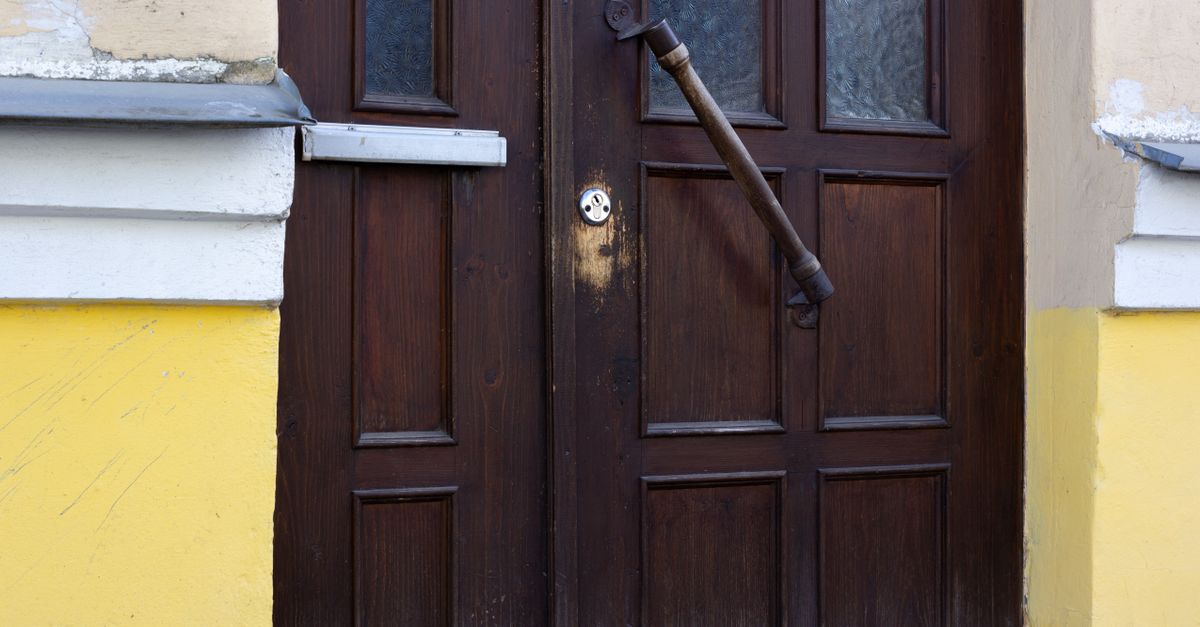
Keys break for several reasons: metal fatigue from years of daily use, a worn-down bow that offers poor grip, a lock that has become stiff because of a misaligned door or a dry mechanism, or simply forcing a key that is slightly bent. Euro cylinders in uPVC and composite doors — extremely common on Slough's newer housing estates and the blocks of flats along the Bath Road corridor — are also vulnerable to snap attacks, a form of forced entry that deliberately fractures the cylinder at a weak point. If your euro cylinder has snapped under a forced-entry attempt rather than ordinary use, the cylinder itself must be replaced regardless of whether the key fragment can be retrieved, and we would advise upgrading to a TS007 3-star anti-snap cylinder at the same time. For older properties with traditional timber doors — the kind you find throughout the Victorian and Edwardian terraces in Slough town centre and around Upton — the concern is usually a worn Yale-type nightlatch or a 5-lever mortice deadlock, both of which require a different extraction approach.
Understanding which type of lock holds the broken fragment determines how our technicians approach the job. A nightlatch keyway is relatively open, which means extraction hooks and thin spiral picks designed for the purpose can often retrieve the piece without dismantling anything. A mortice deadlock sits deep within a thick timber door stile, so the approach must account for the depth of the keyway and the position of the lever pack. A euro cylinder, by contrast, can sometimes be unpinned and removed from the door entirely, allowing the fragment to be tipped or drawn out on a workbench rather than in the keyway under torch light. Each method is chosen to protect the internal workings of the lock, not just to retrieve the key.